
How to Get More Referrals for Your Local Business
Referrals are the most powerful way to grow a local business, and most owners never ask for them. Here's how to build a steady stream, starting this week.
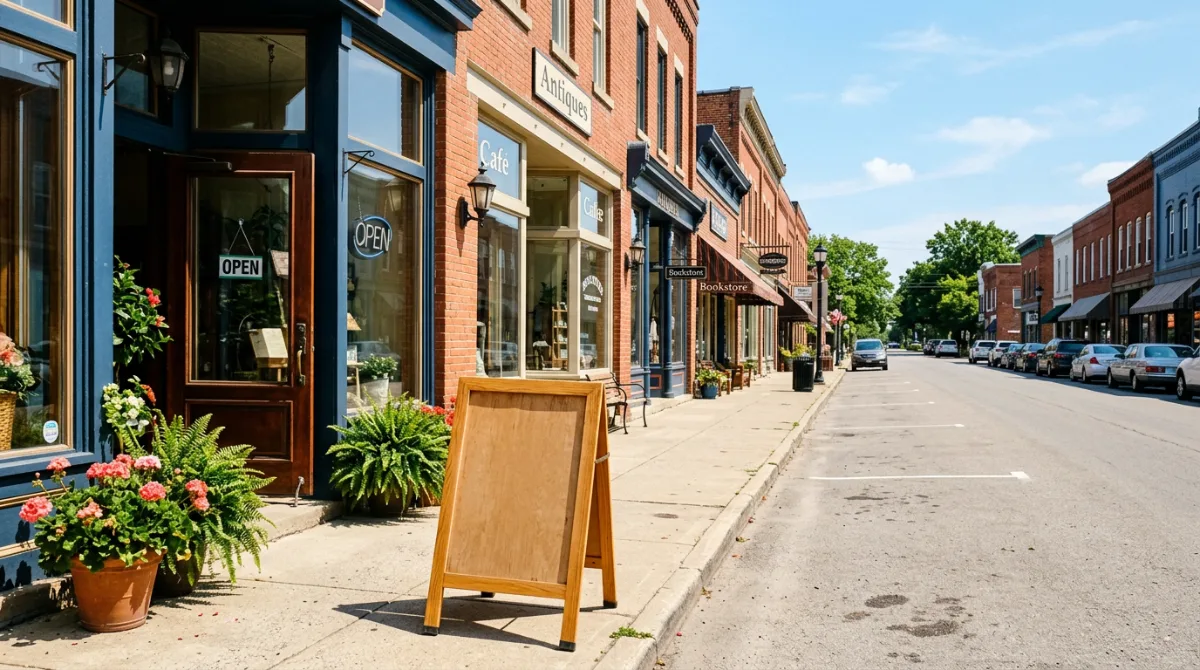
If you run a local business, you already know the best customers come from someone else saying, "You should call them." Referrals cost you nothing, arrive pre-sold, and tend to stick around. So why do most small business owners leave them almost entirely to chance?
The short answer: nobody taught us how to ask. This guide breaks down how to build a real referral system, even if you're a one-person shop with no marketing budget.
Why Referrals Work So Well for Local Businesses
When a neighbor, friend, or coworker recommends a business, they're lending their credibility to you. The person receiving that recommendation doesn't need to be convinced from scratch. Trust is already there.
That trust advantage is massive. Studies from the Wharton School of Business have found that referred customers tend to have a higher lifetime value and are more likely to refer others in turn. It's a compounding effect, and it starts with just a handful of satisfied customers who feel comfortable spreading the word.
For a local business, that word-of-mouth loop is your biggest competitive edge over bigger players with bigger ad budgets.
The Reason Most Referrals Don't Happen
Here's the honest truth: your happy customers almost never refer you on their own, not because they don't like you, but because life gets in the way. They finish the job, feel good about it, and move on.
The referral does not die from indifference, but from inertia.
Your job is to give them a nudge: a moment, a reason, and an easy way to say your name to someone else. That's it. This isn't about pressure or gimmicks. It's about making it simple for people who already like you to tell others.
Word of Mouth Marketing: The Engine Behind Every Referral
Referrals don't exist without word of mouth, and word of mouth doesn't happen by accident. It happens when customers have an experience worth talking about and then have a reason to bring it up.
Word-of-mouth marketing for a small business isn't a campaign. It's a byproduct of how you show up every day. Every on-time arrival, every follow-up call, every moment when you went slightly beyond what was expected: those are the things people mention to their friends. Not because they're trying to help your business, but because they're telling a story about their own experience.
Your job is to give them a story worth telling. A few things that reliably generate organic word of mouth:
Surprise and delight moments. Something small and unexpected: a handwritten thank-you card, noticing a problem you weren't hired to fix and mentioning it, a follow-up call three weeks later to make sure things held up. These moments stick in people's memories and come up in conversation.
Being known for something specific. The roofer who always cleans up the full yard before leaving. The bookkeeper who explains everything in plain English. The landscaper who remembers your dog's name. Specificity makes you memorable, and memorable businesses get talked about.
Showing up in the community. Sponsoring a local sports team, volunteering at a neighborhood event, being a regular at the farmers market: these things put your face and name in front of people in a context that has nothing to do with sales. They remember you when it matters.
Word of mouth builds slowly and is nearly impossible to fake. But once it's working, it's the most durable and cost-effective marketing channel a local business has.
Step 1: Deliver Something Worth Talking About
Before any referral strategy works, you need customers who genuinely want to tell people about you. That starts with the experience you deliver.
Think about the last time you recommended a restaurant or contractor without being prompted. Something stood out: they showed up on time, communicated clearly, went a little beyond what was expected, or fixed a problem without being asked twice.
That's the bar. You don't have to be perfect. You just have to be reliably good and occasionally surprising in a positive way. A quick follow-up text after a job is done, a handwritten thank-you card, remembering a detail from a previous conversation: small things that signal you actually care.
When you deliver that kind of experience, referrals get easier to ask for, because you're not asking someone to stick their neck out. You're giving them something they're proud to recommend.
Step 2: Know Who Your Referral Sources Are
Not every customer is equally likely to refer you. Some people are natural connectors. They know everyone in town, they're active in local Facebook groups, they sit on the chamber board, or they run their own business and understand the value of sending work to someone trustworthy.
Take a few minutes and think about your last 20 customers. Who among them is plugged into the community? Who runs a complementary business (the interior designer who works with your flooring company, the accountant who serves the same kind of small business you do)?
These are your referral partners. They deserve a little extra attention, a genuine relationship, and maybe a mutual agreement: you send business their way, they send it yours.
Step 3: Ask, Simply and Directly
Most business owners never ask because they're afraid of seeming desperate or pushy. But asking for a referral, done right, is neither of those things.
The best time to ask is right after a win: the job is finished, the customer expressed satisfaction, or they left a positive review. That's your opening.
Try something like: "I'm really glad this worked out well for you. If you know anyone else who needs [what you do], I'd love the introduction. I'm always looking to work with people like you."
That's it. No pressure. No scripts. Just a straightforward ask from someone who did good work.
If you want to make it even easier, give them a business card to pass along, or ask if they'd be open to leaving a quick Google review. A Google review is essentially a public referral, and it helps new customers find you online, too.
Step 4: Build a Simple Referral Follow-Up Habit
Here's a small habit that makes a big difference: send three messages to past customers once a week. Not a newsletter. Not a promotion. Just a check-in.
"Hey, wanted to see how things have been going since we finished up. Let me know if there's anything else I can help with."
That's it. It keeps you top of mind without being annoying. And when someone in their network needs what you do, you're the first name they think of.
You can rotate through your customer list and cover a lot of ground over time without it ever feeling like a campaign.
Step 5: Thank Your Referral Sources
When someone sends a customer your way, acknowledge it every single time. A quick text, a handwritten card, or a small thank-you can go a long way.
If someone becomes a repeat referral source, follow up. Drop off a gift card to their favorite coffee shop. Refer business back to them. Invite them to lunch. Treat them like the partner they are.
People refer businesses they feel connected to. When you show genuine appreciation, you reinforce the behavior without ever offering a cash kickback or running a formal program.
What About Referral Programs?
Formal referral programs ("send a friend, get $25 off") can work, but they're often unnecessary for a local business. They can also attract the wrong motivation: people who refer for the reward rather than because they genuinely believe in you.
The approach above, doing great work, building relationships, asking clearly, and saying thank you, tends to produce warmer, more loyal referrals without the overhead of managing a program.
If you do want to run a referral offer, keep it simple, time-bound, and honest about what you're offering and why.
Your Local Presence Matters Too
Referrals work even better when you're easy to find. If someone tells a friend about your business and that friend Googles you, what do they find? Is your Google Business Profile complete? Do you have reviews? Does your website load cleanly on a phone?
If you're not sure how you show up online, LocalForge offers a free AI audit that shows how your business ranks on Google Maps, how you appear in AI search results, and how you compare to your top local competitors. It takes a few minutes and gives you a clear picture of where you stand.
The Bottom Line
Referrals don't happen by accident. They happen when you deliver great work, build real relationships, and make it easy for people to say your name. Start with one ask this week: pick your three most satisfied recent customers and reach out. Tell them you appreciate them and ask if they know anyone else who could use your help.
That's how a referral system gets built: one conversation at a time.
Frequently Asked Questions
▸ How do I ask for a referral without sounding desperate?
Keep it casual and time it right. After finishing a job and getting positive feedback, simply say you'd love to work with more people like them and ask if they know anyone who might need what you do. Framing it as an invitation rather than a request makes all the difference.
▸ Should I offer a discount or reward for referrals?
You don't have to. A genuine thank-you, a card, or a small gesture often means more than a discount and builds a stronger relationship. Formal referral programs can work, but aren't necessary for most local service businesses.
▸ How long does it take to build a steady stream of referrals?
Expect three to six months of consistent effort before referrals become a reliable source of business. The more great experiences you deliver and the more relationships you build, the faster it compounds.
▸ What if a customer seems happy but still doesn't refer anyone?
That's normal. Most people aren't natural connectors, and even satisfied customers forget to spread the word without a nudge. A gentle follow-up message a few weeks after the job can bring you back to mind at the right moment.
▸ Who should I ask for referrals first?
Start with your most enthusiastic past customers and those who run their own businesses or are active in the local community. They're more likely to have a network that needs your services and are often comfortable making introductions.
▸ How do Google reviews relate to referrals?
A Google review is essentially a public referral. When someone leaves a positive review, they're recommending you to strangers who search for your services. Asking happy customers for a review is one of the highest-value ways you can boost your local visibility.
▸ What's the biggest mistake small business owners make with referrals?
Never asking. Most owners assume referrals will happen naturally if they do good work. They rarely do. A simple, direct ask at the right moment is usually all it takes to turn a satisfied customer into an active advocate.
▸ What is word of mouth marketing for a small business?
Word of mouth marketing is when existing customers recommend your business to friends, family, or colleagues without being prompted or paid to do so. It's driven by delivering experiences worth talking about, being specific and memorable in your work, and showing up consistently in your local community. It's the most trusted form of marketing and costs nothing to generate.